
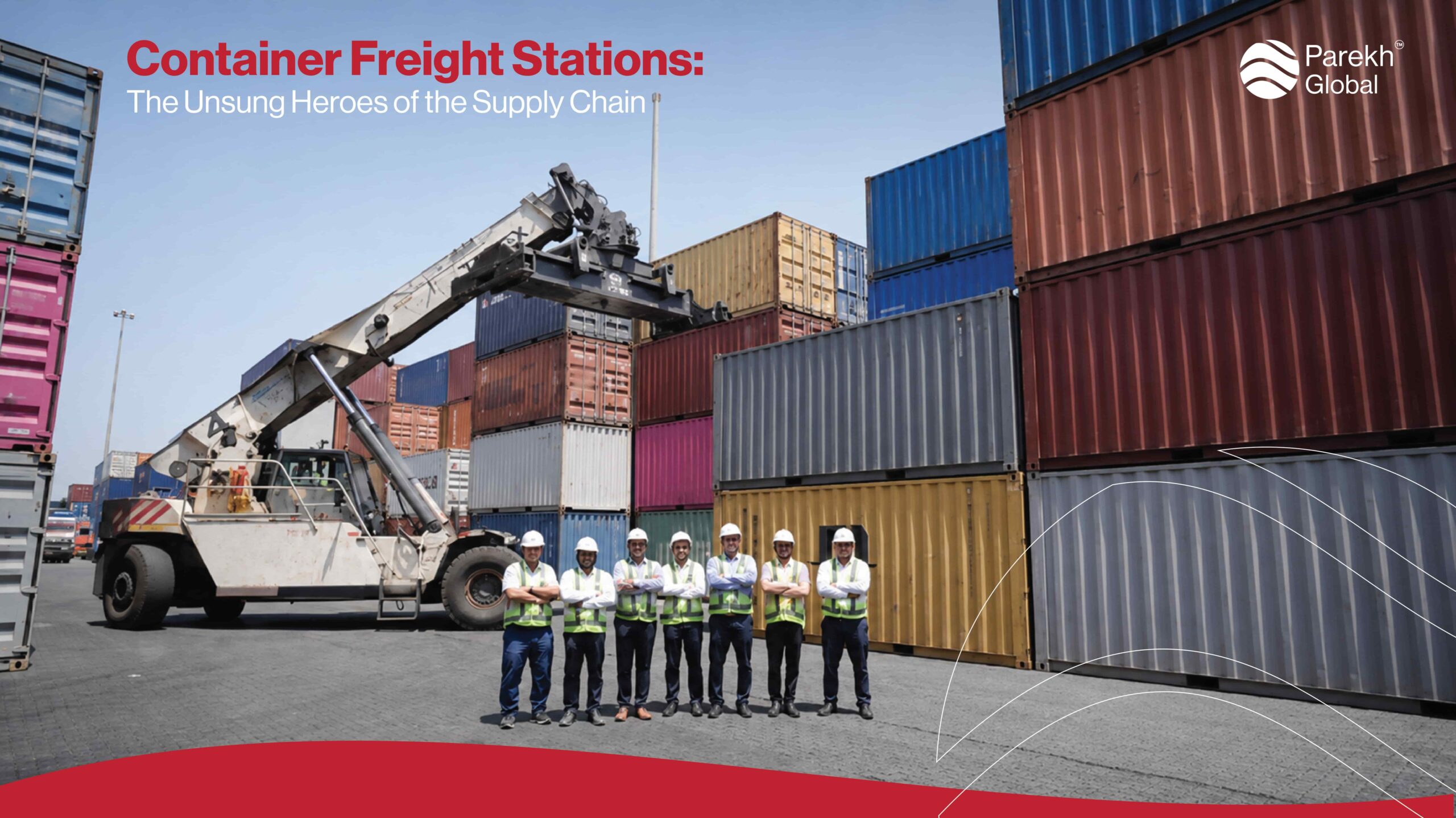
Container Freight Stations: The Unsung Heroes of the Supply Chain
Sustainability is no longer just a business initiative—it is a responsibility. At Parekh Global, we believe that meaningful environmental impact begins with small, consistent actions. Every operational decision, no matter how minor it may seem, contributes to creating a cleaner, smarter, and more sustainable logistics ecosystem.
From reducing single-use plastics to adopting environmentally responsible workplace practices, Parekh Global is committed to integrating sustainability into every aspect of its operations. These everyday initiatives reflect our long-term vision of building a logistics industry that balances operational excellence with environmental responsibility.
Why Sustainability Matters in Logistics
The logistics and supply chain industry plays a critical role in global commerce, but it also has a significant environmental footprint. Businesses today are expected to reduce waste, improve resource efficiency, and adopt sustainable business practices that support long-term environmental goals.
At Parekh Global, sustainability is not viewed as a separate initiative—it is embedded into the way we operate, innovate, and serve our customers.
Our commitment focuses on:
- Reducing operational waste
- Promoting responsible resource usage
- Supporting eco-friendly workplace practices
- Encouraging sustainable business culture
- Improving environmental efficiency across operations
Every small improvement contributes to a more sustainable supply chain.
Eliminating Single-Use Plastic in the Workplace
One of Parekh Global’s simple yet impactful sustainability initiatives is eliminating disposable water bottles from the workplace.
Instead of relying on single-use plastic bottles, we encourage reusable alternatives that significantly reduce plastic waste generated in day-to-day office operations.
This initiative helps:
- Reduce single-use plastic consumption
- Minimize landfill waste
- Lower environmental pollution
- Encourage sustainable employee habits
- Promote responsible resource management
Small workplace changes like these create lasting environmental benefits while inspiring a culture of sustainability across the organization.
Reducing Water Waste Through Responsible Practices
Water conservation is another important part of our sustainability journey.
Disposable water bottles often result in unnecessary water wastage when partially used bottles are discarded. By encouraging reusable drinking solutions, Parekh Global helps minimize both plastic waste and avoidable water loss.
Responsible water usage supports:
- Better resource conservation
- Reduced wastage
- Sustainable workplace operations
- Increased environmental awareness
Every drop saved contributes to a more responsible future.
Sustainability Beyond Transportation
At Parekh Global, logistics is more than moving goods from one location to another.
We believe sustainable logistics is built on responsible business practices, operational efficiency, and environmentally conscious decision-making.
Our sustainability philosophy extends across:
- Workplace operations
- Resource management
- Waste reduction
- Operational efficiency
- Employee awareness
- Environmental responsibility
By integrating sustainability into our daily operations, we continue building logistics solutions that create long-term value for both businesses and the environment.
Building a Culture of Environmental Responsibility
Sustainability is most effective when it becomes part of an organization’s culture.
At Parekh Global, employees are encouraged to participate in environmentally responsible practices that support cleaner and more efficient operations.
Our workplace culture promotes:
- Responsible consumption
- Waste reduction initiatives
- Sustainable office practices
- Environmental awareness
- Continuous improvement
- Collective responsibility
By empowering people to make conscious choices, we create positive environmental impact across the organization.
Small Actions Lead to Lasting Change
Large environmental improvements are often the result of many small, consistent actions.
Simple initiatives such as reducing plastic usage, conserving water, minimizing waste, and improving operational efficiency collectively contribute to building a more sustainable logistics ecosystem.
Every improvement helps us move closer to:
- Cleaner operations
- Smarter resource utilization
- Reduced environmental impact
- Sustainable business growth
- Long-term environmental stewardship
These actions reinforce our commitment to responsible business practices.
Parekh Global’s Commitment to Sustainable Logistics
As sustainability continues to shape the future of global supply chains, Parekh Global remains committed to adopting environmentally responsible practices that support both business growth and ecological balance.
Our vision is to build logistics operations that are:
- Smarter
- Cleaner
- More resource-efficient
- Environmentally responsible
- Future-ready
Through continuous innovation and responsible operational choices, Parekh Global is contributing to a greener and more sustainable logistics industry.
Looking Ahead
Creating a sustainable future does not always require massive transformation. Often, it begins with simple decisions made consistently every day.
At Parekh Global, we believe every small change has the power to create a meaningful impact. By reducing waste, conserving resources, and promoting sustainable workplace practices, we continue taking measurable steps toward building a cleaner, greener, and more responsible logistics ecosystem.
Together, these small actions help shape the future of sustainable logistics—one responsible decision at a time.
Frequently Asked Questions (FAQs)
Why is sustainability important in the logistics industry?
Sustainability helps reduce environmental impact by minimizing waste, conserving resources, lowering carbon emissions, and improving operational efficiency across logistics and supply chain operations.
What sustainability initiatives has Parekh Global implemented?
Parekh Global promotes reusable water bottles, reduces single-use plastic consumption, encourages water conservation, supports waste reduction, and integrates environmentally responsible practices into daily operations.
How does reducing plastic waste benefit logistics companies?
Reducing plastic waste lowers environmental pollution, minimizes landfill contributions, supports responsible resource management, and strengthens an organization’s sustainability goals.
How does Parekh Global promote environmental responsibility?
Parekh Global encourages sustainable workplace practices, employee awareness, responsible resource usage, waste reduction, and continuous improvement to create a greener business environment.
Can small sustainability initiatives make a significant impact?
Yes. Small actions such as reducing plastic use, conserving water, minimizing waste, and adopting eco-friendly workplace practices collectively contribute to long-term environmental sustainability.
What is Parekh Global’s vision for sustainable logistics?
Parekh Global aims to build smarter, cleaner, and more sustainable logistics operations by integrating environmental responsibility, operational efficiency, and continuous innovation into its business practices.